UK Gambling Commission Introduces Staged Financial Risk Assessments for High-Spending Customers
 The UK Gambling Commission confirmed it will introduce Financial Risk Assessments in a phased and staged approach that begins with the largest operators rather than applying one uniform implementation date across the entire sector. This method targets net deposits reaching £5,000 or more in any 24-hour period, or £2,500 or more for customers under the age of 25, and it draws data directly from credit reference agencies to limit the need for customers to submit documents. The commission made the announcement following extensive consultation and piloting phases that shaped the final rollout plan.
Background to the Staged Rollout Decision
Regulators examined feedback from multiple rounds of industry consultation before settling on the gradual introduction of these checks. The commission noted that starting with major operators allows testing of systems under high-volume conditions while giving smaller firms additional preparation time. Data from credit reference agencies will drive the assessments, which reduces reliance on manual document requests that customers have often found intrusive.
Those involved in the piloting stages reported that this data-led method identifies customers who may be experiencing financial difficulty with greater accuracy. The approach avoids a single nationwide deadline, instead building in stages that permit adjustments based on real-world performance at the largest sites first.
Key Thresholds and Early-Stage Operations
Stage one focuses specifically on customers whose net deposits hit the defined daily limits within a 24-hour window. No enforcement action will occur during these initial phases, which gives operators room to refine their internal processes and reporting mechanisms. The commission emphasised that the checks aim to flag potential harm signals without disrupting routine play for the majority of users who stay below the thresholds.
Operators must prepare systems to pull relevant credit data automatically once deposits cross the trigger points. This setup minimises direct customer contact while still providing regulators with consistent information across participating sites. Early stages therefore function more as monitoring and refinement periods than as periods of strict penalty application.
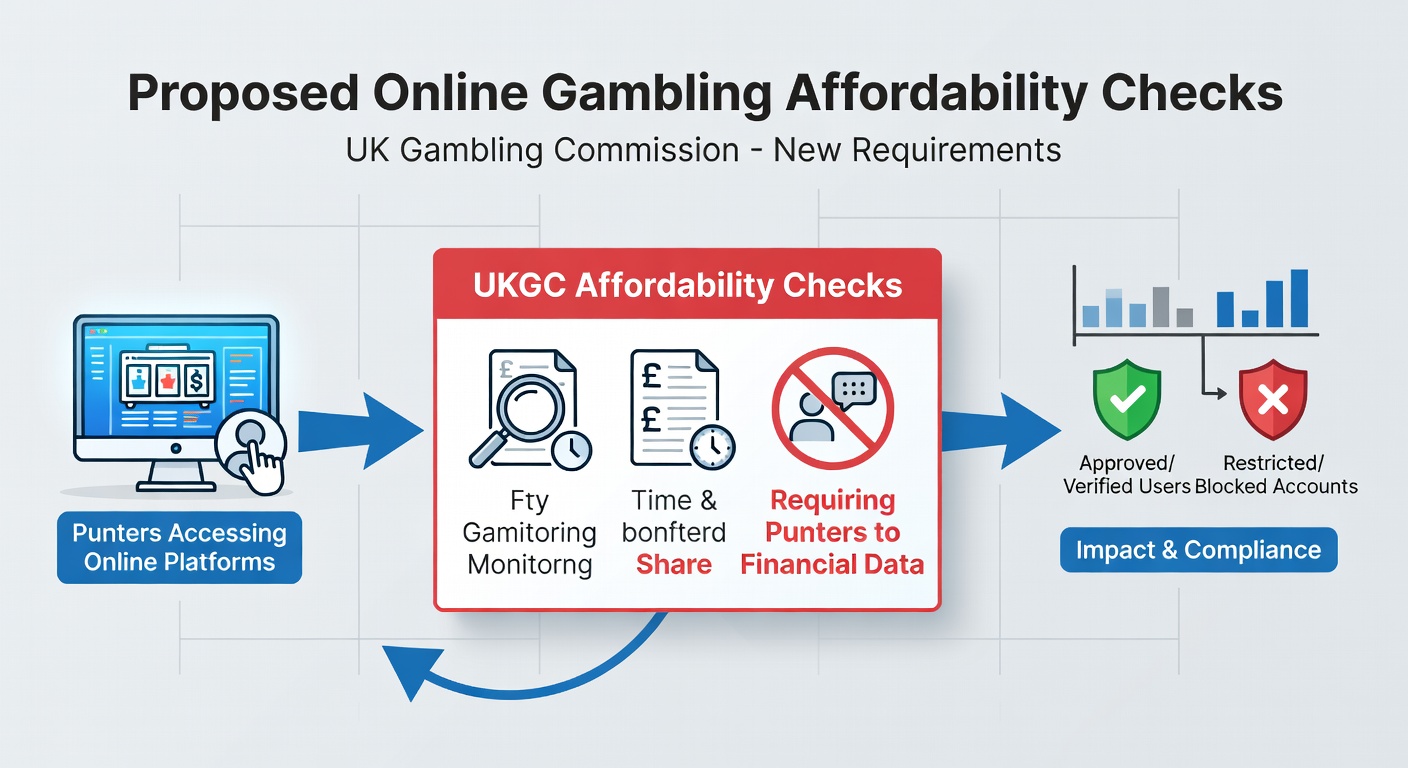
Implementation Timeline and Operator Responsibilities
The phased schedule places the largest operators at the front of the queue for system integration and data-sharing protocols. Subsequent stages will gradually bring in mid-sized and smaller licensees once initial feedback has been reviewed and any necessary tweaks completed. The commission has not set a fixed end date for the entire rollout, preferring instead to monitor progress at each step.
Operators receive clear guidance on the data sources they must use and the precise deposit levels that activate an assessment. Because enforcement remains suspended in the opening phases, firms can focus on accurate implementation rather than immediate compliance penalties. This structure also allows the commission to gather statistics on how many accounts trigger reviews and how effectively the credit-data method works in practice.
Customer Experience and Data Protection Measures
Customers whose activity crosses the daily thresholds will undergo assessments without being asked to upload financial documents in most cases. Credit reference agency data supplies the necessary indicators, which keeps the process largely invisible to the player until an issue arises. The commission has stated that this method protects customer privacy while still delivering the required risk information to operators.
Those who study regulatory trends note that minimising friction forms a central goal of the new framework. By relying on existing credit records rather than repeated customer requests, the system reduces interruptions for high-spending users who maintain stable finances. The commission continues to review how these checks interact with existing responsible gambling tools already in place at licensed sites.
Conclusion
The UK Gambling Commission’s decision to stage the introduction of Financial Risk Assessments marks a deliberate shift toward data-driven oversight that begins with the sector’s largest players. Thresholds of £5,000 net deposits in 24 hours, or £2,500 for those under 25, will trigger reviews conducted through credit reference agencies, while early phases proceed without enforcement. This measured rollout follows consultation and piloting, and it gives operators time to align systems before wider application. Observers will continue to track how the staged process affects both operator compliance and customer protection outcomes as later stages unfold. Commission to introduce Financial Risk Assessments in staged approach