Cashback Tiers Versus Welcome Bonuses: Weighing Prolonged Value in UK Online Poker Environments
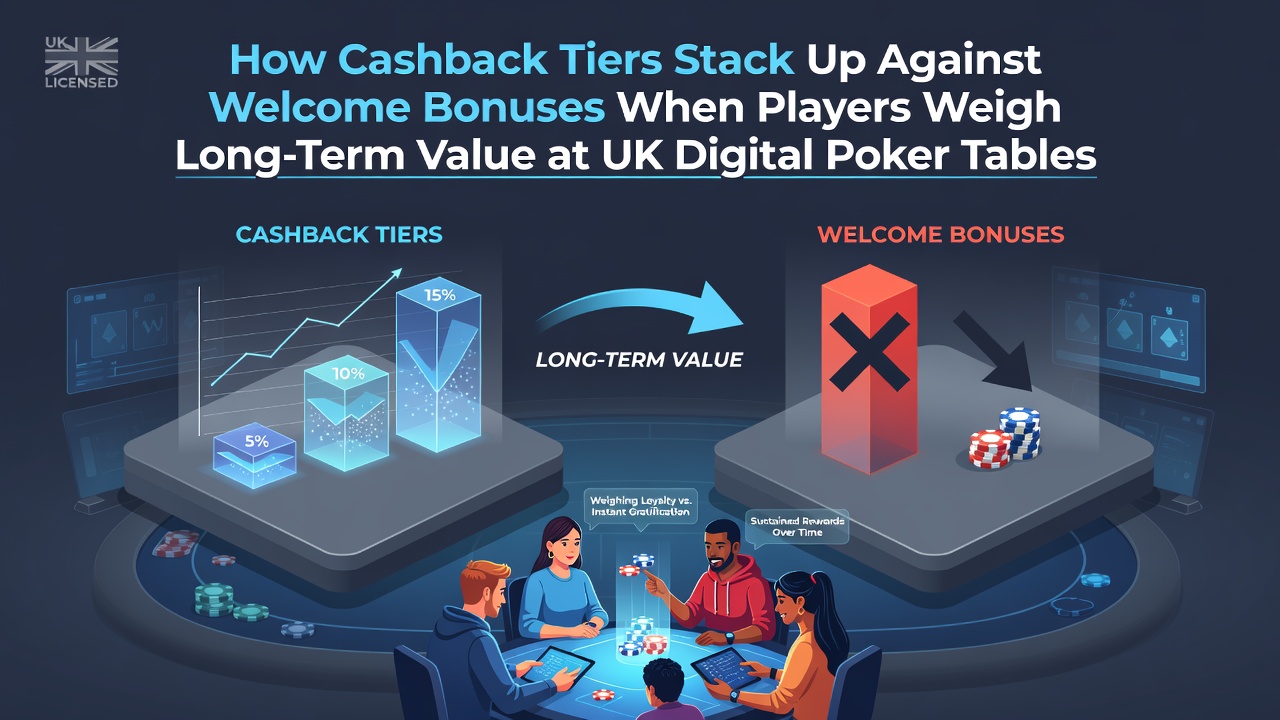
UK digital poker tables present players with two primary incentive structures that shape their overall returns over extended periods, and observers note that welcome bonuses typically front-load rewards through deposit matches while cashback tiers distribute smaller percentages back based on ongoing rake contributions. Research from industry reports indicates that welcome offers often cap at fixed amounts after initial playthrough requirements, whereas cashback programs adjust dynamically with volume and loyalty status. Data from European gaming analyses shows that players who maintain consistent stakes across multiple months encounter different net outcomes depending on which structure aligns with their session frequency and stake levels.
Mechanics of Welcome Bonuses at Digital Tables
Welcome bonuses at UK-licensed poker sites generally require players to deposit a minimum sum before receiving a percentage match, and those funds then convert to playable credits only after clearing wagering thresholds tied to rake generated. Figures reveal that many platforms set these thresholds between twenty and thirty times the bonus value, which means participants must generate substantial rake before accessing full amounts. Industry organizations such as the European Gaming and Betting Association have documented how these requirements interact with poker-specific rules, where only the rake portion counts toward clearance rather than total bets placed. Players who focus on cash games rather than tournaments often find the clearance process stretches across more sessions because tournament fees contribute differently to the calculation.
How Cashback Tiers Function Over Time
Cashback tiers operate on a rolling basis where operators calculate a percentage of rake paid during a defined period, typically weekly or monthly, and return that sum directly to player accounts without additional wagering hurdles. Observers note that higher tiers unlock once cumulative rake reaches preset milestones, and these percentages can climb from five percent at entry levels to fifteen or twenty percent for top-volume participants. Academic studies on player retention patterns indicate that this structure rewards consistent activity rather than one-time deposits, which creates a different value curve compared to front-loaded welcome offers. Those who study poker traffic flows point out that cashback applies uniformly across cash games and tournaments, providing steadier returns for regulars who log extended hours at mid-stakes tables.
Direct Comparison of Long-Term Returns
When analysts stack the two systems side by side, welcome bonuses deliver higher initial value but taper sharply once cleared, while cashback tiers sustain smaller yet recurring benefits that accumulate across hundreds of hands. Research indicates that a player depositing five hundred pounds and clearing a one-hundred-percent welcome bonus might net two hundred pounds after requirements, yet the same individual generating equivalent rake over six months through cashback could receive comparable or greater totals without the same upfront commitment. But here's the thing: poker rake structures at UK rooms often range from five to ten percent depending on game type, and cashback calculations usually exclude any promotional rake reductions, which affects the final percentage returned. Data shows that players transitioning from welcome bonuses to cashback programs after the initial period experience smoother bankroll management because returns arrive automatically rather than locked behind new thresholds.
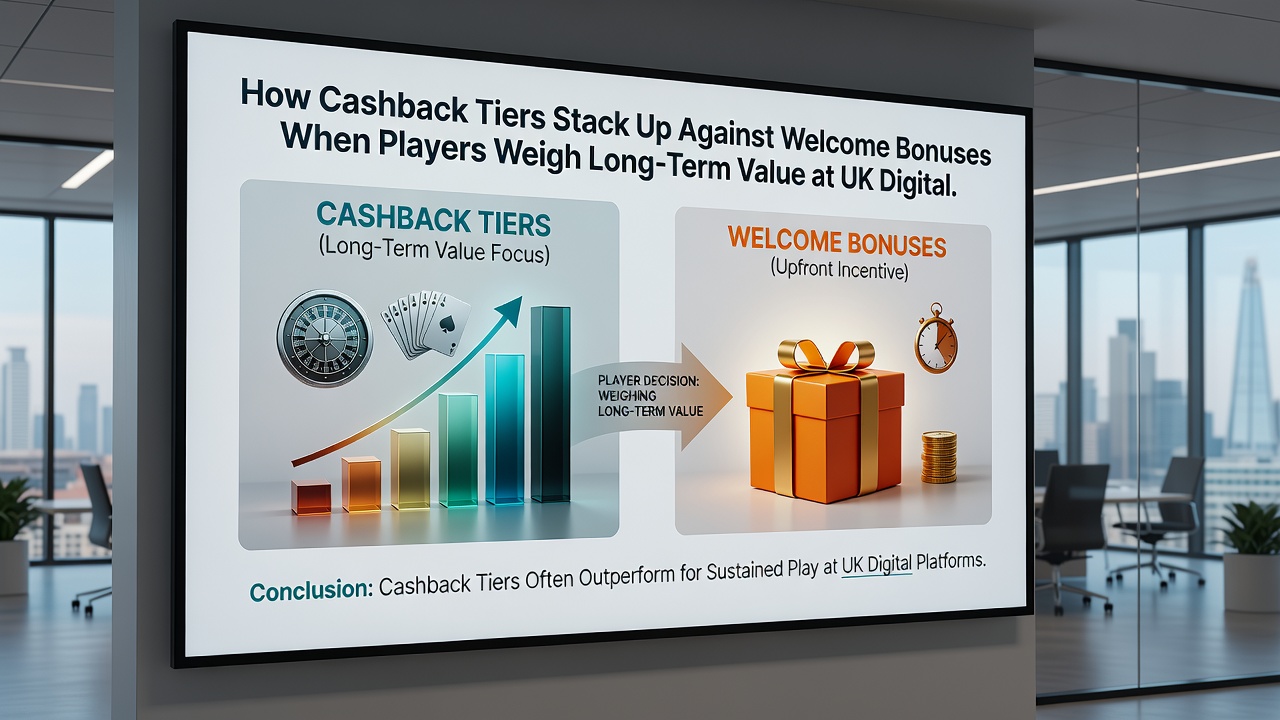
What's interesting is how stake level influences the crossover point where cashback overtakes welcome bonus value. Low-stakes participants who generate modest rake weekly tend to benefit more from cashback once they reach mid-tiers, whereas high-stakes players clear welcome offers faster and then rely on elevated cashback percentages to maintain edges. Reports from Canadian provincial gaming regulators highlight similar patterns in markets with comparable operator models, where volume-based returns prove more stable across regulatory shifts. Those tracking participation metrics note that many UK sites introduced tier adjustments ahead of broader tax changes scheduled for later periods, though poker-specific incentives remain distinct from slot or sports offerings.
Factors Affecting Value Calculations
Multiple variables determine which incentive delivers superior long-term results, including session length, game format, and operator-specific rake caps. Tournament players encounter different dynamics because entry fees contribute to cashback calculations at varying rates compared to ring game rake, and this distinction alters projected returns over a year of play. Studies found that sites offering hybrid programs, where welcome bonuses feed into accelerated tier placement, create pathways that combine both structures for enhanced cumulative value. Yet participants must still account for withdrawal limits and verification processes that apply equally to both bonus types once funds become eligible for cashout. Observers note that loyalty points earned alongside cashback sometimes convert into additional perks such as tournament tickets, which adds another layer to the overall equation without requiring separate deposits.
Conclusion
UK digital poker environments continue to evolve their incentive models as operators respond to participation trends and operational costs, and the choice between cashback tiers and welcome bonuses ultimately hinges on individual play patterns rather than any single superior option. Data indicates that regular participants who generate consistent rake across extended periods extract measurable value from tiered cashback systems once initial welcome offers have been exhausted. Those evaluating long-term strategies often review operator terms for rake contribution rates and tier progression speeds to align incentives with their expected volume. Regulatory updates scheduled around July 2026 may influence bonus structures across various verticals, yet poker-specific comparisons remain centered on how each mechanism interacts with existing rake frameworks and player retention data.