Gambling Trends and Insights: Digital Shifts and Market Dynamics in 2026
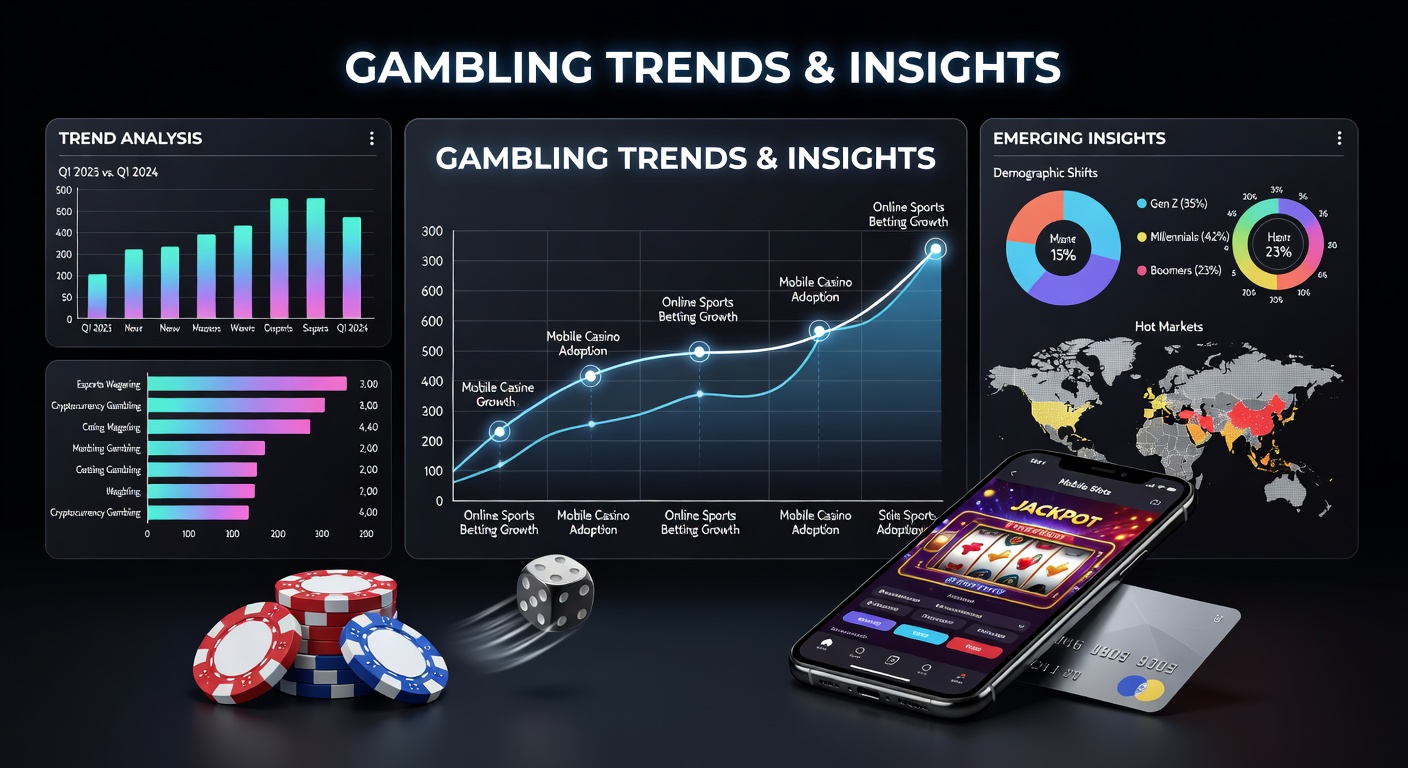
Global gambling markets continue expanding through digital channels as operators adapt to mobile-first preferences and real-time data analytics. Data from industry reports shows online platforms captured larger shares of total wagering volume compared to land-based venues, with mobile apps driving the majority of new account registrations in the first quarter of 2026. Operators now prioritize seamless user interfaces that integrate live betting options with personalized promotions based on individual play histories.
Technology Integration Across Platforms
Artificial intelligence systems help operators analyze betting patterns and adjust odds dynamically while compliance teams monitor for irregular activity. Research conducted by academic groups at the University of Nevada indicates that machine learning models reduced instances of suspected fraud by up to 18 percent in tested casino environments during 2025 trials. Virtual reality environments appear in select markets where developers test immersive table games that replicate physical casino atmospheres through headset interfaces, though adoption rates remain modest outside early-adopter regions in Asia.
Regional Market Developments
North American states continue legalizing various forms of online betting with new licenses issued in additional jurisdictions as of May 2026. Figures from the American Gaming Association reveal that commercial casino revenue reached record levels in several Midwest markets during the prior fiscal year, fueled partly by expanded sports wagering options. Meanwhile, operators in parts of Latin America report steady growth in mobile sports betting volumes following regulatory updates that clarified licensing frameworks for digital providers.
Asia-Pacific markets show distinct patterns where regulated online lotteries and esports wagering attract younger demographics. Government data from Singapore's Casino Regulatory Authority highlights controlled expansion of integrated resorts that combine gaming floors with entertainment facilities, resulting in increased visitor numbers and ancillary revenue streams from hospitality services.
Player Behavior and Engagement Patterns

Session length data collected across major platforms indicates shorter but more frequent interactions as users switch between devices throughout the day. Studies from research institutions such as the University of Sydney's Gambling Treatment and Research Clinic track how loyalty programs influence repeat visits, with tiered reward structures encouraging sustained participation rather than one-time deposits. Payment method preferences have shifted toward digital wallets and instant bank transfers, which now account for over half of all transaction volumes according to aggregated operator statistics.
Seasonal fluctuations remain evident in sports betting segments where major tournaments drive temporary spikes in handle, while slot and casino game categories maintain steadier year-round activity. Observers note that responsible gambling tools including deposit limits and self-exclusion features see higher uptake when platforms present them proactively during account setup processes.
Regulatory and Compliance Updates
Jurisdictions worldwide refine tax structures and licensing requirements to balance revenue generation with consumer protections. European regulators have introduced standardized reporting protocols for cross-border operators, allowing authorities to track player activity more effectively across member states. In Canada, provincial bodies continue evaluating frameworks that permit single-event sports betting alongside existing lottery and casino offerings, with implementation timelines varying by region.
Tax adjustments announced in several markets during early 2026 prompted operators to reassess pricing strategies and promotional budgets. Industry associations report that clear compliance guidelines reduce operational uncertainty and encourage long-term investment in platform infrastructure.
Emerging Product Categories
Skill-based gaming hybrids blend traditional chance elements with player decision mechanics, gaining traction in select US and European markets. Blockchain-based lotteries and peer-to-peer betting exchanges operate under pilot programs in jurisdictions that have established clear digital asset regulations. Data shows these formats attract niche audiences seeking alternative mechanics beyond standard casino offerings.
Live streaming integrations allow viewers to watch events while placing wagers in synchronized interfaces, which has boosted engagement metrics for certain sportsbooks. Platform analytics reveal that users who combine streaming with in-play betting tend to maintain higher average session values compared to those using standalone applications.
Conclusion
Market participants continue adapting to evolving consumer expectations and technological capabilities as 2026 progresses. Comprehensive data collection enables more precise targeting while regulatory bodies refine oversight mechanisms across multiple continents. Industry reports from sources including the American Gaming Association and academic research centers provide ongoing benchmarks that help stakeholders evaluate performance and plan expansions into new verticals. These developments shape a landscape where digital innovation and regulatory clarity determine competitive positioning for operators worldwide.