GamCare Sounds Alarm: UK Gambling Debts Triple to £7.2 Million as Referrals Surge in 2025 and Beyond
27 Mar 2026
GamCare Sounds Alarm: UK Gambling Debts Triple to £7.2 Million as Referrals Surge in 2025 and Beyond

The Surge in Referrals Hits Record Levels
GamCare, a prominent UK charity dedicated to supporting individuals facing gambling harms, has documented a dramatic uptick in people reaching out for financial assistance tied directly to gambling issues; figures reveal 1,954 referrals throughout 2025, more than double the number from the year before, while total reported debts ballooned to £7.2 million, nearly tripling prior levels. Observers note this escalation points to deepening financial distress linked explicitly to gambling activities, as those seeking help describe mounting losses from bets placed across various platforms. And here's where it gets stark: a record 233 referrals flooded in during January 2026 alone, signaling that the trend not only persisted but accelerated into the new year.
Data shared collaboratively with debt charity PayPlan underscores how gambling-related financial woes have intertwined with broader debt crises, with individuals reporting everything from maxed-out credit cards to unpaid mortgages stemming from compulsive wagering. Experts who've tracked these patterns over years observe that such referrals often involve people who started with small stakes but spiraled into unmanageable sums, sometimes losing thousands in weeks. Take one case highlighted in the data: callers detailing debts accumulated through online slots and sports bets, where losses compounded quickly due to features like auto-play and rapid spins.
But the numbers tell an even clearer story when broken down; 2025's 1,954 referrals represent a 100% plus jump from 2024 equivalents, and that £7.2 million figure—equivalent to the cost of hundreds of average UK homes—marks a near-tripling that has charity workers scrambling to meet demand. What's interesting is how this spike coincides with everyday folks, not just high-rollers, showing up for help; reports indicate a mix of ages and backgrounds, from young adults chasing football accumulators to older players hooked on virtual roulette.
January 2026 Sets a Grim New Benchmark
January 2026 shattered previous monthly records with those 233 referrals, a volume that experts link to post-holiday spending regrets amplified by gambling lapses during festive downtime; people often confess to bets placed while watching New Year's sports events or trying their luck on lottery-style games, only to face reality checks as bills arrived. This single month's influx alone pushed annual projections higher, and by March 2026, ongoing monitoring suggests the momentum hasn't slowed, with preliminary indicators showing sustained pressure on support lines.
PayPlan's involvement adds crucial context, as their debt advisors cross-reference GamCare referrals with insolvency risks; data indicates that without intervention, many of these £7.2 million in debts could lead to bankruptcies or home repossessions, since gambling losses frequently drain savings first and then tap into borrowed funds. Researchers analyzing the figures note a pattern where problem gamblers average debts exceeding £3,600 each—enough to strain household budgets already hit by inflation and cost-of-living squeezes.
And yet, the charities emphasize early intervention works; those who contact GamCare early in their debt cycle stand a better chance at recovery plans that include blocking gambling sites and negotiating with creditors, turning potential disasters into manageable repayments. It's noteworthy that this January peak follows a year of heightened visibility around gambling harms, yet the referral surge suggests awareness alone isn't curbing the financial fallout.
Regulatory Shifts and the Broader Landscape
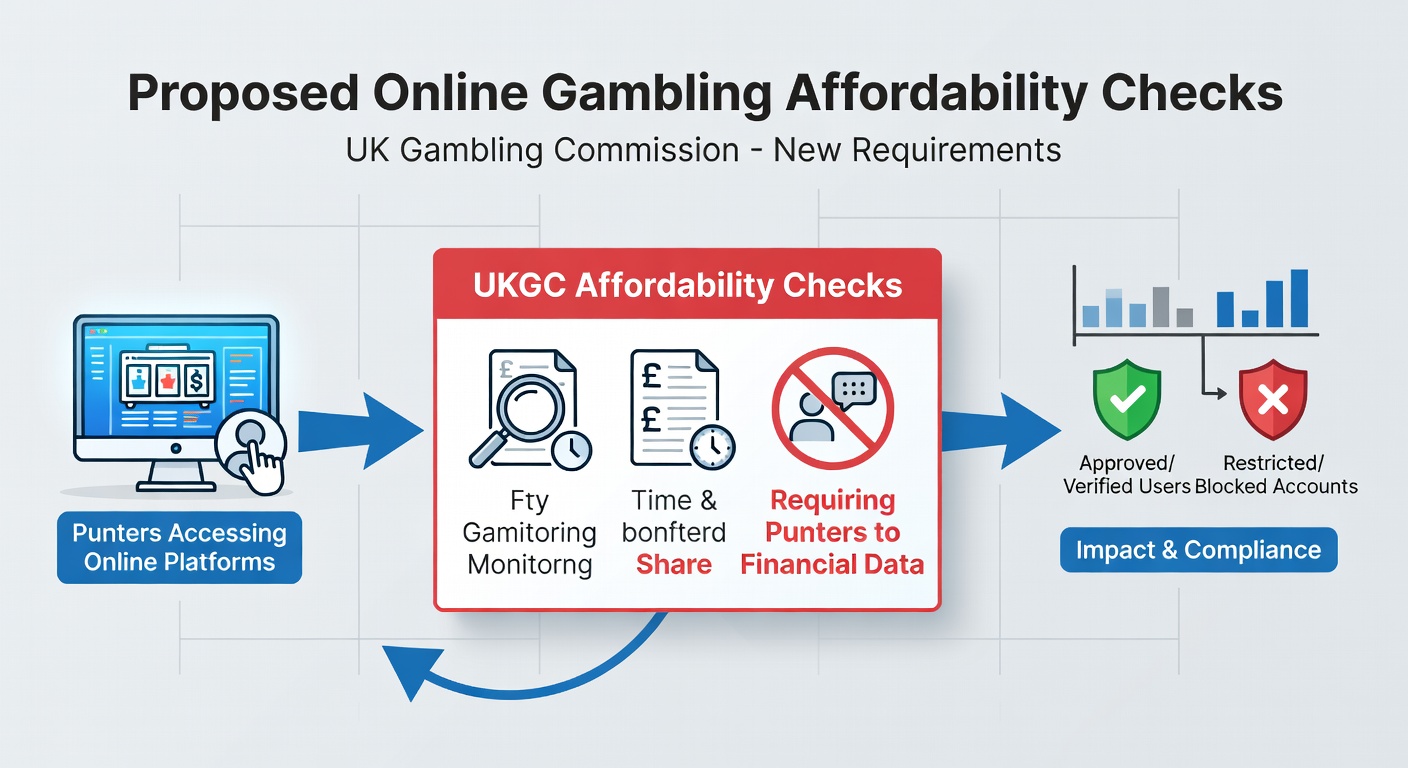
These trends emerge against a backdrop of evolving UK gambling regulations, where changes like stake limits on online slots and affordability checks aim to mitigate harms, but GamCare's data reveals that financial distress persists and even intensifies for some. Observers point out how operators now enforce mandatory friction—think deposit caps and cooling-off periods—yet referrals climb, possibly because those most vulnerable find workarounds or migrate to unregulated spaces.
PayPlan's figures complement this by showing gambling as a top debt trigger in client consultations; in 2025, it ranked alongside payday loans and utility arrears, with clients often juggling multiple sources of pressure. One study within the shared dataset examined referral demographics: over 60% male, spanning 18-65 age groups, and concentrated in urban areas where access to betting shops and apps runs high. That's where the rubber meets the road for charities, who ramp up outreach via partnerships with employers and GPs to catch cases early.
Now, into March 2026, the charities report no let-up, with helpline volumes holding steady at elevated levels; this continuity highlights a growing nexus between gambling participation and severe economic fallout, as even casual players rack up debts through in-app purchases or live betting during major events like Premier League matches. Experts who've pored over the stats stress that total debts nearing £7.2 million isn't abstract—it's real families facing eviction notices or credit blacklists because losses from a single bad run wiped out emergency funds.
Understanding the Referrals: What They Reveal
Each of those 1,954 referrals in 2025 breaks down into stories of loss chasing; callers describe chasing parlays on horse races or slots with bonus buys, where initial wins lure deeper involvement until debts mount unchecked. GamCare's process involves initial assessments followed by tailored plans, often linking to PayPlan for debt management expertise; success metrics show about half of early interveners stabilize finances within months, avoiding court actions.
But here's the thing: the tripling of total debts to £7.2 million signals systemic pressures, with average per-person liabilities hitting peaks not seen before; this while UK remote gambling revenue grew modestly, suggesting harms concentrate among a smaller, more affected group. People who've studied referral logs notice spikes around paydays and weekends, when disposable income fuels impulsive bets, and a notable uptick in crypto-gambling debts, where anonymity hides the scale until defaults hit.
January's 233 cases set a precedent that's carried forward; by March 2026, follow-up data from the charities indicates sustained demand, with new referrals citing online casinos and esports wagering as culprits. It's not rocket science—features like cash-out options and VIP incentives keep engagement high, even as regulations tighten, leading to this financial distress wave.
Charity Responses and Support Mechanisms
GamCare and PayPlan have bolstered their joint efforts in response, launching targeted campaigns that blend helplines with online chat tools; those accessing services receive everything from self-exclusion advice to creditor negotiation scripts, addressing both the gambling urge and the debt burden head-on. Data from 2025 shows referral conversion to active cases at over 80%, with many clients reporting reduced betting within weeks of support.
Observers tracking the partnership note how PayPlan's expertise in individual voluntary arrangements dovetails with GamCare's harm reduction focus, creating a one-stop lifeline; for the £7.2 million in reported debts, this means potential write-offs or restructurings that preserve homes and jobs. And while the January 2026 record lingers as a warning, March updates confirm proactive measures—like app blockers and financial literacy sessions—are gaining traction among users.
Turns out, embedding support within betting apps via GamStop registrations has helped some, yet the referral surge proves gaps remain; charities now push for mandatory debt screening in operator tools, aiming to preempt the crises hitting helplines so hard.
Key Takeaways from the Data Surge
The 1,954 referrals, £7.2 million debts, and January 2026 peak paint a clear picture of escalating gambling-linked financial harms in the UK, with GamCare and PayPlan at the forefront of response; these figures, doubling and tripling precedents, demand attention amid regulatory flux. As trends hold into March 2026, the emphasis falls on accessible help, where early calls turn tides on otherwise devastating debts. Observers see this as a pivotal moment, where data-driven interventions could blunt future spikes, keeping financial fallout from overwhelming more lives.