Illegal Gambling Black Market Explodes to £10 Billion in UK as BGC AGM Tackles Tax-Driven Surge
Illegal Gambling Black Market Explodes to £10 Billion in UK as BGC AGM Tackles Tax-Driven Surge

At the Betting and Gaming Council's Annual General Meeting held in March 2026, industry leaders laid bare a stark reality: illegal gambling has ballooned into a major force within the UK market, now capturing 10-12% of total activity compared to just 0.5% five years prior, with 1.5 million people turning to unlicensed platforms and wagering a staggering £10 billion annually.
Spotlight on the Numbers: A Market Shift in Plain Sight
Figures presented during the meeting painted a clear picture of this underground expansion, showing how unlicensed operators have siphoned off significant revenue while evading regulation, taxes, and player protections that licensed sites provide; experts at the event noted that this £10 billion figure alone underscores the scale, representing bets placed outside the oversight of the Gambling Commission.
What's interesting here is the rapid trajectory; five years ago, illegal activity hovered at a negligible 0.5% of the market, but recent data reveals it now commands 10-12%, a twentyfold increase that observers link directly to policy shifts rather than mere opportunism from rogue operators.
And while licensed operators continue to invest in compliance and safer gambling tools, those using offshore sites often face unchecked risks, from manipulated odds to unsecured funds, turning what should be entertainment into potential pitfalls.
BGC Chief Executive Leads the Charge
Grainne Hurst, Chief Executive of the Betting and Gaming Council, took center stage at the AGM to highlight these trends, emphasizing how the surge threatens not only revenue streams for legitimate businesses but also the integrity of the entire sector; she pointed out that 1.5 million individuals now engage with these platforms, a number that data indicates has grown alongside broader economic pressures in the gambling landscape.
Hurst's address resonated with attendees, many of whom have tracked similar patterns in their operations, where licensed sites report dips in activity even as overall wagering volumes climb; turns out, this isn't isolated, as industry reports confirm the £10 billion annual wager volume funneled offshore aligns with broader market analyses showing licensed gross gambling yield under strain.
Those who've studied the sector for years observe that such meetings often serve as barometers for upcoming challenges, and this one, held amid March 2026's regulatory buzz, amplified calls for balanced reforms to stem the tide.
Pinpointing the Triggers: November Budget and Beyond
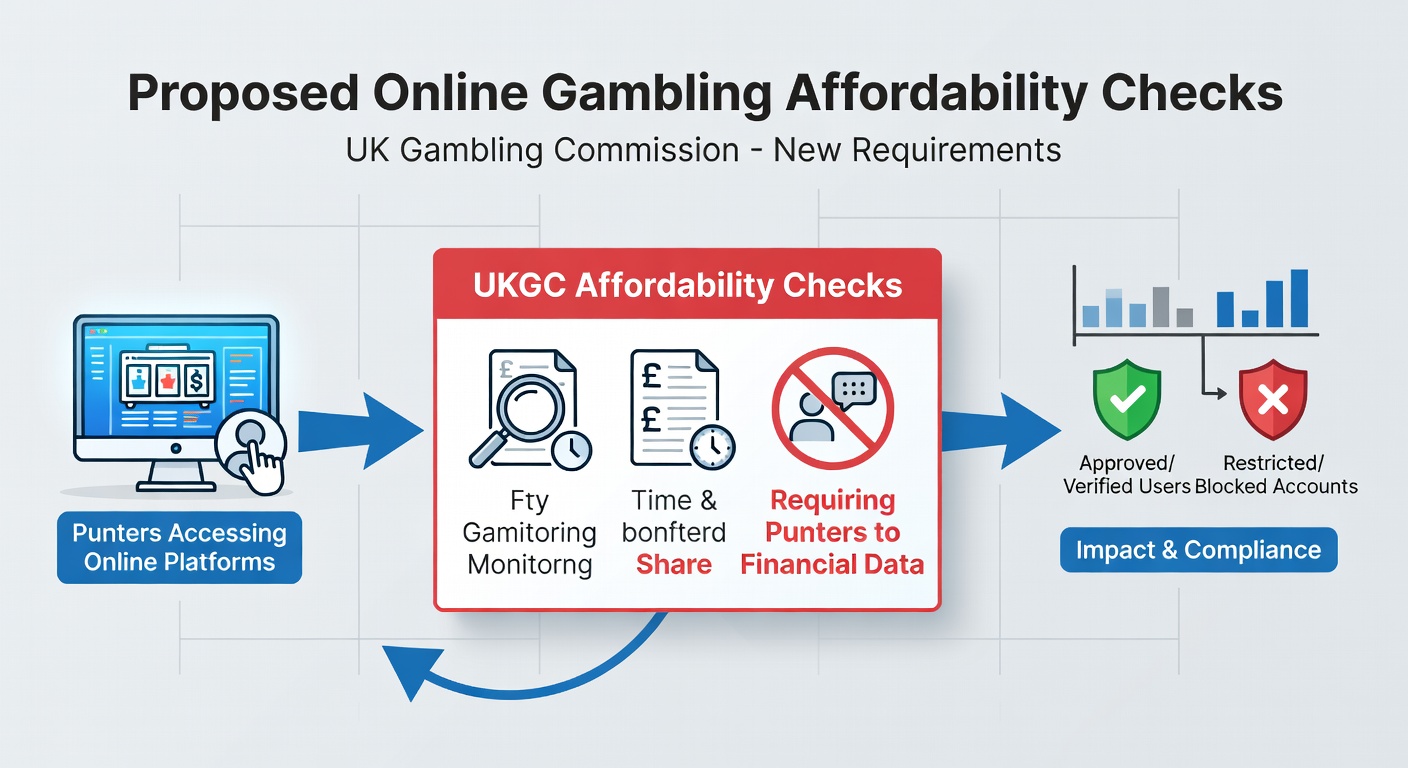
The growth in illegal gambling traces back to specific policy moves, particularly the November Budget's tax changes that raised levies on operators, prompting users to seek alternatives abroad where costs remain lower; coupled with proposed Financial Risk Assessments, these measures have driven players offshore, where unlicensed sites lure them with promises of better odds and fewer restrictions.
But here's the thing: while governments aim to boost revenues through such hikes—data from prior years shows tax adjustments can yield short-term gains—the unintended consequence emerges in black market proliferation, as evidenced by the jump from 0.5% to 10-12% market share.
Experts at the BGC AGM dissected this dynamic, noting how assessments meant to evaluate financial vulnerabilities instead push smaller or risk-averse bettors toward unregulated havens; one case highlighted involved major sports events, where offshore platforms ramped up advertising just as UK taxes bit harder, drawing in the 1.5 million users now active there.
It's noteworthy that this offshore shift doesn't just erode licensed market share; it complicates enforcement, since jurisdictions outside UK reach offer little recourse for players facing issues like delayed payouts or account closures without notice.
Government Steps Up: £26 Million Boost and New Taskforce
In a direct response aired at the same meeting, Gambling Minister Baroness Fiona Twycross announced £26 million in additional funding for the Gambling Commission, aimed at bolstering enforcement capabilities against illegal operators; this injection comes alongside the launch of a new Illegal Gambling Taskforce, which partners the Commission with tech firms and law enforcement to target unlicensed platforms more effectively.
Twycross outlined how the taskforce will leverage cutting-edge tools—from AI-driven monitoring to cross-agency intelligence sharing—to disrupt the networks behind that £10 billion flow, addressing the 10-12% market encroachment head-on.
And while details on implementation remain forthcoming, precedents exist: similar collaborations in past years dismantled offshore rings targeting UK players, recovering assets and issuing warnings that curbed activity temporarily; observers expect this latest effort, announced in March 2026, to build on those wins, focusing on high-volume sites that attract the 1.5 million users.
Market Ripples: Licensed Operators Feel the Squeeze
Licensed gambling firms, already navigating tighter regulations, now grapple with this black market surge, where the £10 billion wagered offshore equates to lost taxes and reduced contributions to problem gambling funds; BGC members at the AGM shared data indicating that while overall participation holds steady, the shift to unlicensed options undermines sustainability for those playing by the rules.
Take one operator who reported a 15% drop in active UK accounts post-Budget, attributing it to users chasing offshore promotions; such anecdotes, backed by aggregate figures, reveal how tax hikes—intended to fund public services—paradoxically fuel evasion, pushing the illegal share from 0.5% toward double digits.
Yet the reality is that player protections suffer most: licensed sites mandate age verification, deposit limits, and self-exclusion tools, features absent on many offshore platforms, leaving the 1.5 million exposed to greater harms.
What's significant about the AGM discussions is their focus on collaboration; industry leaders urged policymakers to recalibrate taxes and assessments to retain users onshore, arguing that balanced reforms could reclaim that 10-12% slice without compromising revenue goals.
Broader Context: Enforcement Challenges in 2026
March 2026's AGM arrives amid heightened scrutiny, with the Gambling Commission's expanded remit under new funding set to prioritize digital frontiers where illegal sites thrive via apps and VPNs; the taskforce's tech partnerships promise advancements, like real-time blocking of illicit domains, drawing from successful pilots that reduced access by up to 40% in test regions.
So as Baroness Twycross's announcement lands, stakeholders watch closely, knowing that curbing the £10 billion offshore wager volume demands not just resources but agile strategies against evolving threats.
People who've followed these cycles point out patterns: surges follow fiscal pressures, enforcement follows awareness, and markets stabilize only with proportionate responses; this time, with 1.5 million involved, the stakes feel higher, especially as sports seasons ramp up and draw more bettors.
Looking Ahead: Taskforce Tactics and Industry Resilience
The new Illegal Gambling Taskforce holds potential to reshape the landscape, combining law enforcement's muscle with tech firms' innovation to map and dismantle networks fueling that 10-12% illegal share; early plans include public awareness drives targeting the 1.5 million users, alongside operator-led reporting hotlines for suspicious activity.
Turns out, past taskforces achieved tangible results, shutting down over 200 sites in one campaign and returning £5 million to players; scaled up with £26 million, this iteration could reverse the post-Budget exodus driven by tax changes and risk assessments.
And for BGC members, the path forward involves advocacy, as Hurst stressed during her keynote, pushing for policies that keep wagering onshore where protections thrive.
Conclusion
The Betting and Gaming Council's March 2026 AGM crystallized a pivotal moment for UK gambling, exposing how illegal activity—now at 10-12% of the market with £10 billion wagered by 1.5 million users—stems from tax hikes and assessments yet prompts robust countermeasures like £26 million in funding and a dedicated taskforce.
As these initiatives unfold, the sector balances enforcement gains against policy pitfalls, with data suggesting that coordinated action could restore equilibrium; observers note that the ball's now in the government's court, where effective execution might just clip the black market's wings before it dominates further.