Loyalty Points and Withdrawal Thresholds: Navigating Redemption in Betting Ecosystems

Operators structure loyalty programs around point accumulation systems where players earn rewards through wagering activity, and these points convert into credits or cash equivalents at rates that vary by tier and platform type. Withdrawal thresholds set minimum balances required before funds can be cashed out, creating direct connections between redemption mechanics and cash access rules. Data from multiple jurisdictions shows platforms adjust these elements together because redemption activity influences overall account balances and compliance requirements.
Core Components of Point Redemption Structures
Redemption values depend on earning rates that typically range from one point per dollar wagered up to higher multipliers during promotional periods, while conversion ratios often sit between 100 points for one credit and 500 points for the same amount depending on the operator. Researchers at the Australian Gambling Research Centre documented how these ratios shift when players move across product verticals such as sports betting and casino tables within the same ecosystem. Points sometimes unlock bonus credits that carry additional wagering conditions, whereas direct cash redemptions bypass some steps but still feed into balance calculations that determine eligibility for withdrawals.
Multi-platform environments add layers because users accumulate points across mobile apps, desktop sites, and retail terminals operated by the same company, yet each channel may apply distinct conversion multipliers. One study from the University of Nevada Gaming Innovation Lab tracked player cohorts and found that cross-platform transfers of loyalty balances frequently reset or modify withdrawal eligibility timers. This setup means a player who redeems points on a casino app might see their sports betting account threshold recalculated automatically through shared backend systems.
Withdrawal Threshold Mechanisms Across Operators
Thresholds commonly start at 10 dollars for basic accounts and climb to several hundred for higher tiers or VIP programs, with operators tying increases to verification status or recent redemption volume. These minimums exist to manage processing costs and regulatory reporting, while redemption events can either lower or raise the bar depending on whether converted credits count toward activity requirements. Industry reports indicate that platforms using unified ledgers across products tend to synchronize these thresholds more tightly than those running separate systems for each vertical.
Interaction Patterns in Practice
When players redeem loyalty points, the resulting credits often contribute to meeting withdrawal thresholds, but some operators exclude redeemed amounts from qualifying activity and require fresh deposits or wagers instead. This distinction creates situations where heavy redeemers find themselves further from cash-out eligibility despite increased balances. Observers note that platforms in competitive markets adjust redemption values upward during peak seasons to encourage continued play, which in turn affects how quickly users hit or miss withdrawal windows.
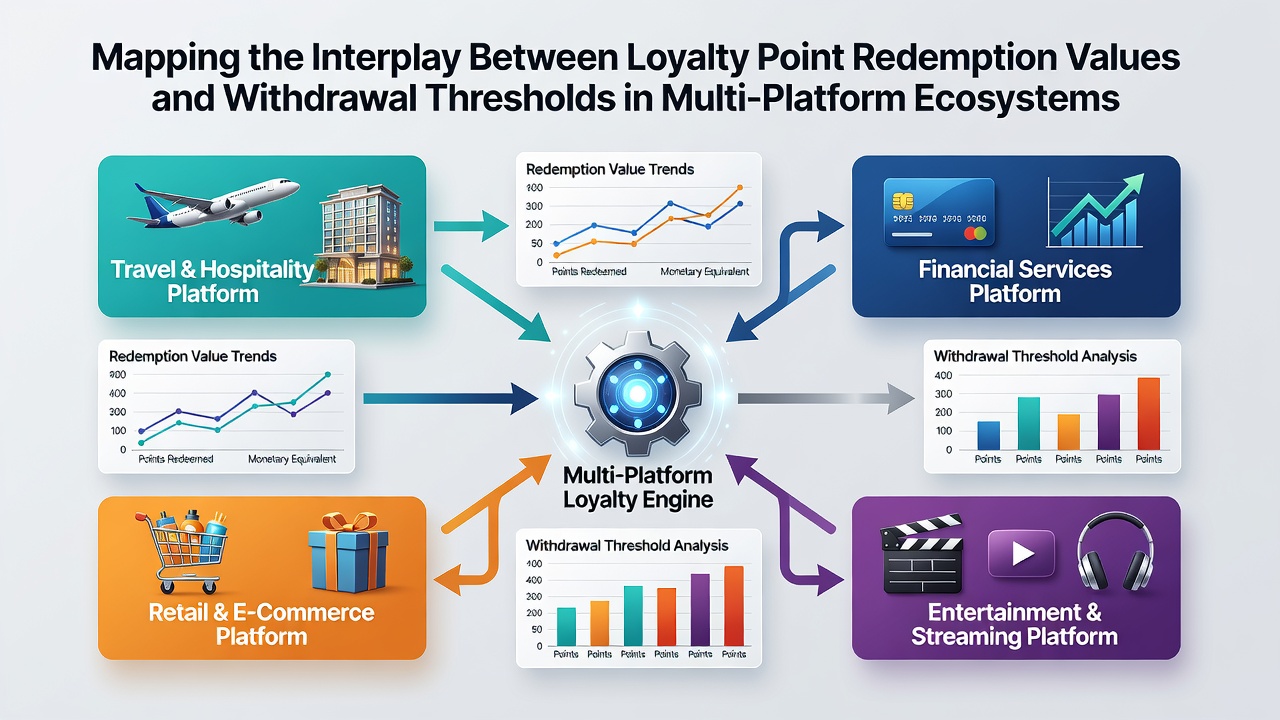
June 2026 saw several North American operators revise these interactions following updates to cross-border compliance frameworks, with changes including clearer disclosure of how redeemed points factor into minimum balance rules. Canadian provincial regulators required operators to publish updated redemption-to-threshold mappings for all licensed platforms, leading to standardized reporting that revealed wide variation in how different ecosystems handle the relationship. Those mappings showed some sites allowing redeemed credits to count fully toward thresholds, while others applied discounts or exclusions that extended the time before withdrawals became available.
Regional Differences and Data Trends
European operators outside the UK often link loyalty redemptions directly to withdrawal processing queues, meaning successful point conversions can trigger faster verification checks that either accelerate or delay cash access. In contrast, Australian frameworks emphasize responsible gambling overlays where redemption caps per session interact with daily withdrawal limits, creating additional checkpoints documented in reports from the Australian Gaming Council. North American data compiled by the American Gaming Association indicates that multi-state operators face extra complexity because thresholds must align with varying state rules while loyalty programs operate on unified point ledgers.
Platform examples illustrate the range: one major operator allows 250 points to convert into one dollar with no impact on withdrawal minimums, whereas another requires 400 points for the same value and resets the threshold clock upon redemption. Players navigating several ecosystems simultaneously often maintain separate point balances and must track distinct withdrawal rules, a pattern confirmed in longitudinal tracking studies that followed accounts across five different operators over 18 months. These variations become more pronounced when platforms introduce tiered perks that alter both redemption rates and threshold calculations based on monthly activity volumes.
Conclusion
The relationship between loyalty point redemption values and withdrawal thresholds forms a connected system where changes in one area directly influence outcomes in the other across multi-platform betting environments. Operators continue refining these mechanics in response to regulatory updates and player behavior data, producing ecosystems that require users to understand both conversion ratios and minimum balance rules simultaneously. Ongoing research from academic and industry sources continues to map these interactions as platforms expand across jurisdictions and product types.