Tracing the Pathways of Player Funds Through Integrated Payment Ecosystems at UK Entertainment Platforms
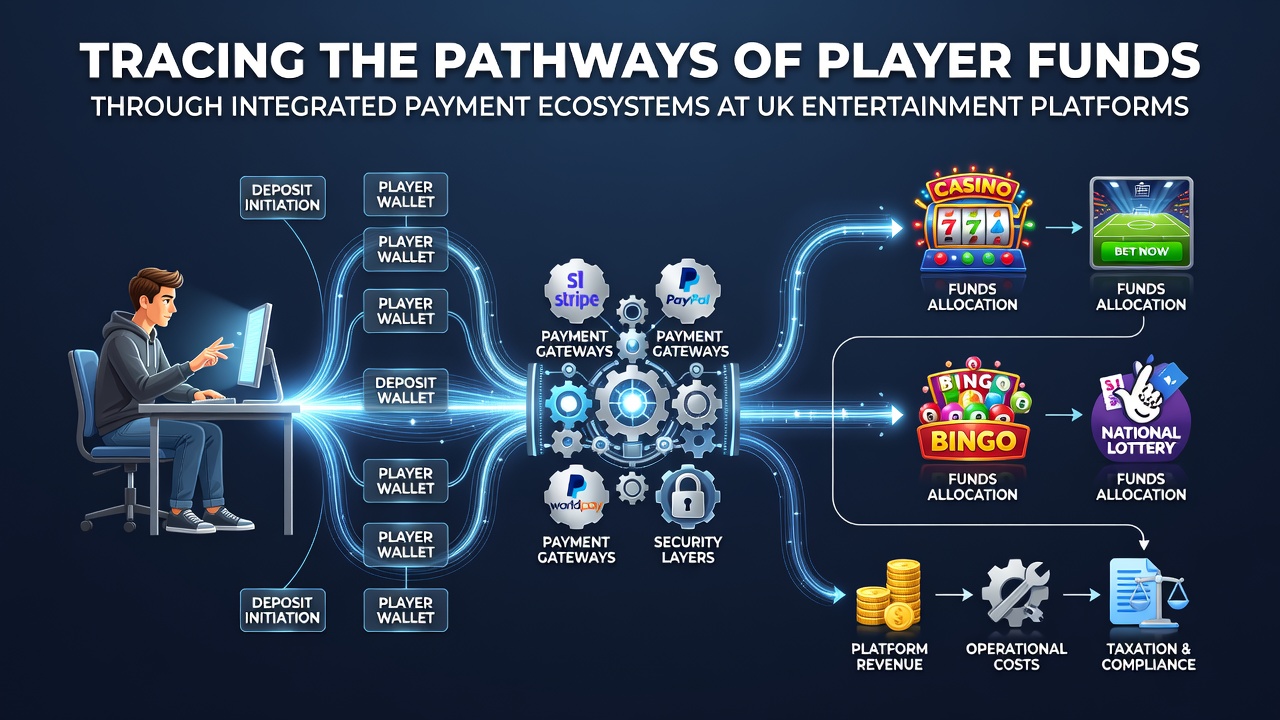
Player funds enter UK entertainment platforms through multiple channels that connect directly to banking networks, card processors, and digital wallet providers, creating a complex yet traceable ecosystem where every transaction leaves a digital footprint, and operators must maintain detailed records to comply with financial regulations that took effect across several jurisdictions by mid-2026.
Entry Points for Deposits and Initial Routing
Deposits typically begin when users select from options such as debit cards, Faster Payments Service transfers, or e-wallets like PayPal and Skrill, after which funds move through secure APIs that verify account details in real time before crediting player balances, and this process often involves an intermediary acquirer that handles authorization while applying fraud detection algorithms developed by firms such as those referenced in reports from the National Council on Problem Gambling. Data from industry tracking shows that card-based deposits account for over 60 percent of inflows at major sites, whereas bank transfers have grown steadily since the introduction of open banking standards that allow instant verification without exposing full account numbers.
Once authorized, the money travels along segregated pathways that separate operational accounts from player protection funds, ensuring that platform operators cannot commingle revenues with customer balances, a requirement enforced through regular audits that examine transaction logs down to the millisecond level.
Processing Layers and Fee Structures
Integrated systems route funds through multiple layers where payment gateways apply processing fees ranging from 1.5 to 3 percent depending on the method, while additional charges may arise from currency conversion when international cards are used, and these deductions occur before the net amount reaches the operator's merchant account. Observers note that e-wallet transactions often bypass some traditional banking delays, moving funds in under 30 seconds compared with the 24-hour window common for direct bank deposits, yet they introduce their own compliance checks tied to anti-money laundering protocols updated in several European frameworks during 2025.

Withdrawal Pathways and Reconciliation
Withdrawals follow reverse routes that require identity verification steps before funds exit player accounts, typically processed via the same payment rails used for deposits to maintain consistency and reduce chargeback risks, and platforms must complete these requests within timeframes mandated by licensing conditions that emphasize consumer protection. Research indicates that over 85 percent of withdrawal requests clear within one business day when using Faster Payments, while manual reviews triggered by larger sums or flagged activity can extend processing to several days as operators cross-reference transaction histories against patterns identified in academic studies on financial flows in digital entertainment.
Reconciliation happens at multiple checkpoints where automated systems match incoming and outgoing amounts against player ledgers, generating reports that feed into both internal compliance teams and external auditors, and any discrepancies prompt immediate investigation under rules aligned with international standards from bodies like the Australian Gambling Research Centre.
Security Protocols and Data Tracking
Encryption standards such as TLS 1.3 protect data in transit while tokenization replaces sensitive card details with unique identifiers that prevent exposure during storage, allowing platforms to trace every movement without retaining full financial credentials. Those who have examined these systems find that blockchain-based ledgers appear in some newer integrations for immutable audit trails, although adoption remains limited to a handful of operators experimenting with hybrid models that combine traditional banking rails with distributed verification methods.
Conclusion
Overall the pathways that carry player funds through UK entertainment platforms form a tightly monitored network where technology, regulation, and operational procedures intersect to maintain transparency and security, and continued evolution in payment technologies promises further refinements to speed and traceability as platforms adapt to shifting financial landscapes.