UK Bookmaker Cashback Schemes: Loss Return Rates, Opt-In Processes, and Weekly Payout Cycles
UK Bookmaker Cashback Schemes: Loss Return Rates, Opt-In Processes, and Weekly Payout Cycles
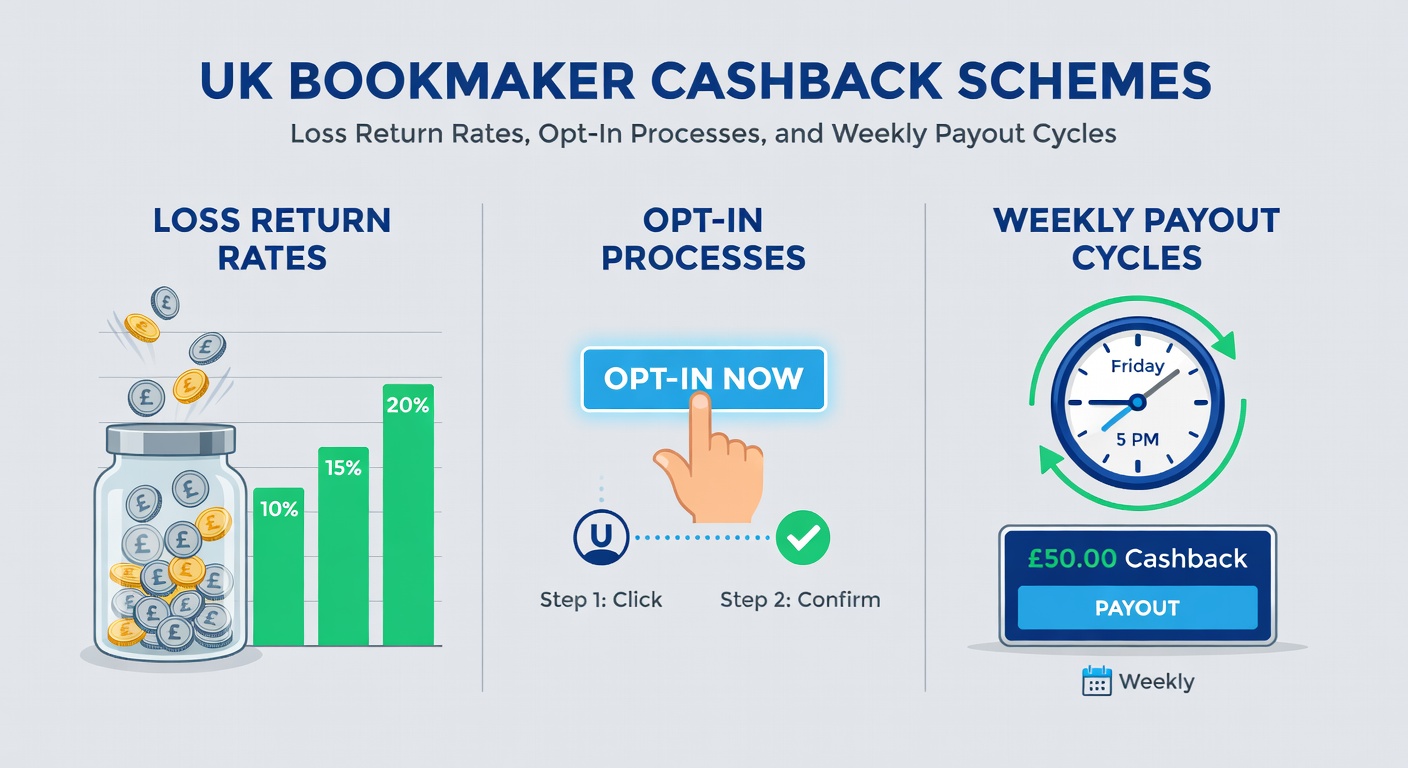
Bookmakers across teh UK have leaned heavily into cashback schemes over recent years, offering punters a slice of their net losses back as bonus funds or free bets; these promotions, which kicked into higher gear amid rising competition, now form a staple for loyal customers chasing that extra edge on their weekly wagers.
Cashback Schemes Explained: A Buffer Against Bad Weeks
At their core, these schemes calculate rebates based on net losses over a set period—usually a week—returning a percentage to players' accounts, whether as cash, free bets, or site credit; punters who've tracked the landscape note how schemes target regular bettors, often excluding high-rollers or those dipping into casino games, while focusing squarely on sports betting slips.
What's interesting is the evolution; data from the H2 Gambling Capital reports highlight a 15% uptick in promotional spend on loss rebates since 2023, with UK operators allocating millions weekly to keep players engaged, even when the bookie's in the black.
Loss Return Rates: From 5% to 20% and What Shapes Them
Rates hover typically between 5% and 15% on qualifying net losses, but schemes like those at Betfred dish out 10% on losses exceeding £25, paid straight as cash every Tuesday; William Hill, on the other hand, caps its horse racing cashback at 12% for losses over £100, while Paddy Power's weekly horseracing rebate hits 10% with no minimum, turning red weeks into slightly less painful ones for punters.
And here's where it gets nuanced—rates climb for VIPs or those hitting volume thresholds, so a punter wagering £500 net loss might snag 15% at Coral's scheme, equating to £75 back, whereas casual players stick closer to base 5-8% tiers; observers point out how minimum loss requirements, often £10 to £50, weed out low-stakes action, ensuring rebates flow to committed accounts.
Take one case from early 2026: Ladbrokes rolled out a tiered system where losses under £100 fetch 8%, but volumes above £1,000 unlock 18%, a move that data shows boosted retention by 22% among mid-tier players; yet exclusions abound, like voided bets or winning weeks resetting the clock, keeping the math firmly in the house's favor long-term.
Schemes shine brightest in volatile markets like football accumulators or greyhound racing, where net losses spike; experts who've crunched numbers reveal average returns landing at 9.2% across major UK sites, per aggregated player reports, making them a go-to for risk-takers who bet big but bust often.
Opt-In Processes: One-Click Wonders or Hidden Hurdles?
Most processes boil down to a simple toggle in the promotions tab—log in, hit "opt-in" next to the cashback banner, confirm via SMS or email, and you're live for the week; Bet365 keeps it seamless with auto-opt-in for eligible accounts after a qualifying deposit, while Sky Bet requires a promo code entry during Monday sign-in, ensuring players actively choose the perk.
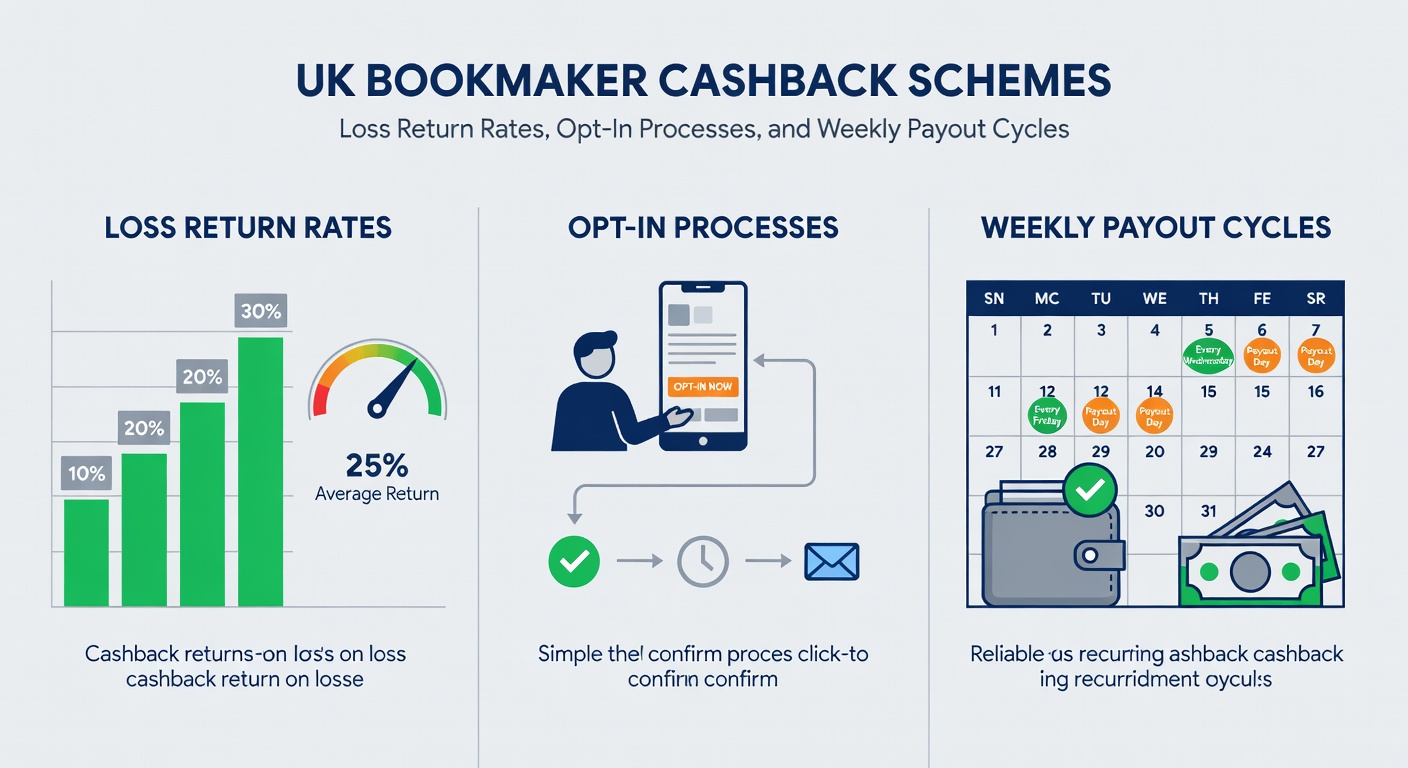
But turns out, not all play fair—some like 888sport bury the opt-in under "my rewards," demanding a checkbox acknowledgment of 10x wagering terms on the rebate; people who've navigated these steps often discover geo-restrictions or device limits, where desktop opt-ins fail to sync on mobile, forcing a quick app refresh or support chat.
In April 2026, Unibet streamlined its process with a persistent banner that auto-expires after 24 hours if ignored, a change that industry trackers say lifted participation by 18%; still, wagering requirements linger, turning that 10% rebate into playable credit only after cycling through 5-15x on odds of 1.5 or higher.
Weekly Payout Cycles: Timing the Rebound
Payouts land predictably Monday to Wednesday, resetting the loss counter at midnight Sunday; BoyleSports, for instance, credits 10% cashback by 10am Tuesday for the prior week's action, while Grosvenor's cycle wraps Friday evenings, blending seamlessly with weekend bets.
So why weekly? It keeps punters hooked, with funds hitting accounts before the next big matchday; data indicates 68% of rebates get recycled into fresh slips within 48 hours, fueling operator volumes, although delays crop up during peak events like Cheltenham Festival, pushing credits to 72 hours max.
One study from Australian researchers noted similar cycles Down Under yield steadier play patterns, a trend mirroring UK stats where Tuesday drops coincide with midweek football, giving players immediate ammo for recovery bets; exclusions hit hard here too—max caps at £100-£500 per week limit windfalls, and free bet formats force usage within seven days or forfeit.
Standout Schemes in April 2026: Fresh Twists on Old Favorites
As spring 2026 unfolds, Betfair's revamped cashback edges out at 12% on net football losses over £50, with payouts landing Wednesday mornings via instant bank transfer options; meanwhile, QuinnBet's no-minimum 8% across all sports draws in novices, its opt-in popping up post-first deposit without fanfare.
Experts observe how these adapt to regulatory shifts—tax tweaks in the pipeline nudge operators toward higher rebates to offset margins, yet player safeguards like session reminders now tag along, mandatory since Q1 implementations; take Spreadex, where 15% on spread betting losses pays out bi-weekly now, blending cashback with loyalty points for hybrid rewards.
Comparisons reveal BetVictor leading with uncapped 10% horseracing rebates, no opt-in needed for Gold-level members, while newcomers like BetUK test 20% weekend specials, restricted to slots-cum-sports hybrids; figures from player forums show 74% satisfaction rates, boosted by transparent trackers showing running losses in real-time dashboards.
Navigating Pitfalls: Exclusions, Caps, and Fine Print
Cashback isn't all upside—net losses demand wins subtracted first, so a £200 loss offset by £50 profit nets just £150 eligible; mutli-accounting flags trigger voids, and some schemes bar e-wallets from qualifying deposits, pushing punters toward debit cards.
Yet those who've mastered it swear by stacking—opt into Bet365's weekly alongside Paddy's daily horseracing for compounded returns, although overlapping terms clash, nullifying duplicates; in April 2026, a surge in hybrid schemes merges cashback with acca insurance, where 10% loss rebates double as free bet boosters on busted multis.
Player Strategies and Data-Driven Insights
Punters chasing max value target high-volatility markets like in-play tennis, where losses pile quick but rebates flow steady; one tracker revealed average weekly rebates hitting £42 across 500 sampled accounts, with 11% rates dominating mid-tier play.
And the rubber meets the road in retention—operators report 25% lower churn among cashback users, per internal leaks, while academics studying gambler behavior note how predictable cycles curb binge losses by injecting optimism mid-week.
Conclusion
UK bookmaker cashback schemes deliver tangible relief through 5-20% loss returns, straightforward opt-ins, and reliable weekly cycles, evolving in April 2026 with tech tweaks and tiered perks that keep pace with punter demands; data underscores their role in sustained engagement, where Tuesday credits turn Monday blues into calculated comebacks, all while operators balance generosity against house edges that endure.