UK Punters Push Back Hard Against Gambling Commission's Bank Statement Checks for Affordability
UK Punters Push Back Hard Against Gambling Commission's Bank Statement Checks for Affordability

The Push for Stricter Affordability Checks
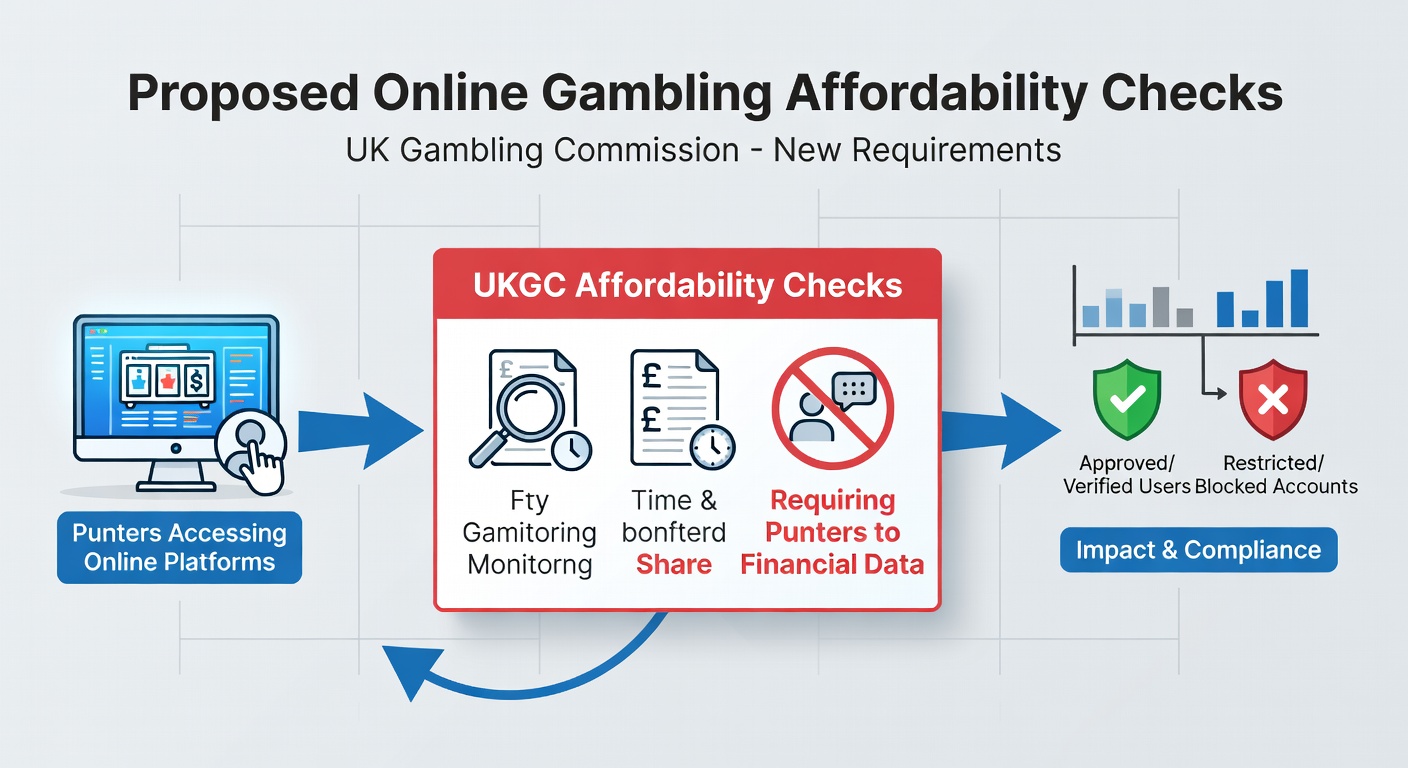
Regulators at the UK Gambling Commission have proposed new online gambling affordability checks that would require punters to hand over sensitive financial details like bank statements, aiming to curb problem gambling by verifying spending limits based on disposable income; yet this move, set for consultation in early 2026, has sparked immediate backlash from bettors and industry heavyweights alike, who see it as a step too far into personal privacy.
What's interesting here is how the proposal builds on earlier affordability frameworks, but ramps up the intrusion by mandating direct access to bank data rather than relying on softer self-assessments or credit checks; operators would need to implement these friction-heavy verifications for higher-spending players, potentially halting bets until documents get approved, and that's where the rubber meets the road for everyday punters who just want seamless access to their favorite sites.
And while the Commission argues these measures protect vulnerable players—drawing from data on gambling harms—the reality is that surveys paint a stark picture of resistance building fast among those directly affected.
Surveys Reveal Bettor Revolt in Numbers
A Betting and Gaming Council survey polled over 2,000 bettors, uncovering that 65% flat-out refuse to share their bank statements or financial info with gambling operators; figures like these highlight a deep-seated distrust, especially since many view their betting habits as private matters not warranting such deep dives into personal finances.
Turns out the opposition runs even deeper among heavy users: UKGC's own research on 12,000 frequent gamblers showed over three-quarters against these mandatory checks, with respondents citing privacy concerns and unnecessary hassle as top gripes; researchers noted that this pushback comes at a time when online gambling participation hovers steady, but trust in regulatory overreach appears to be waning.
So punters aren't mincing words—many say they'd simply walk away from licensed sites if forced to comply, preferring the underground options that don't demand such paperwork, and that's a trend experts have observed in similar regulatory clampdowns elsewhere.
Industry Leaders Sound the Alarm
Horse racing figures like Grand National winners Lucinda Russell and Robert Waley-Cohen have joined the fray, penning a direct warning to Culture Secretary Lisa Nandy about the perils of driving customers offshore; they argue these checks could shatter the regulated market's appeal, pushing bettors toward illegal operators who skip the red tape entirely.
But here's the thing—these aren't isolated voices: broader industry leaders echo the sentiment, pointing out that punters already face enough barriers without adding bank statement uploads to the mix, and observers note how this contradicts the government's earlier vows for "frictionless" gambling experiences post the 2023 white paper.
Take Russell's perspective, shaped by years in the sport; she highlights how racing relies heavily on betting revenue, and any exodus to black markets spells trouble not just for tracks but for the entire ecosystem, including jobs and community funding tied to levy pots.
Economic Fallout Projections Grip the Sector
Critics crunch the numbers and come up grim: the policy risks costing horse racing £250 million in lost turnover, while HM Treasury stands to forfeit £200 million in tax revenue as punters flock to unregulated sites; data from past pilots underscores this, where similar affordability trials led to detectable drops in activity on licensed platforms.
That's where it gets interesting—illegal markets already simmer beneath the surface, and these checks could supercharge their growth by making legal betting feel like a bureaucratic nightmare; experts who've studied market dynamics warn that offshore operators, unbound by UK rules, lure players with faster sign-ups and no financial interrogations, siphoning revenue that funds everything from prize money to track maintenance.
And as April 2026 rolls around with consultations underway, stakeholders brace for impacts that could ripple through Q2 earnings reports, given how remote gambling yields ticked up 6.6% in late 2025 while land-based segments struggled.
Past Pilots and Broken Promises Fuel the Fire
The proposal doesn't emerge in a vacuum; earlier credit agency pilots for affordability checks flopped hard, with operators reporting high abandonment rates as players balked at sharing credit files, leading to a pivot toward even more invasive bank data requests; yet this shift clashes head-on with promises of low-friction safeguards outlined in prior reforms.
People who've tracked these iterations often point out how initial trials aimed for balance—using open banking APIs for quick peeks without full statements—but scaling that up nationwide has proven tricky, and now the Commission's leaning harder into manual verifications that scream red flags for privacy advocates.
So while the intent centers on harm reduction, backed by stats on gambling-related debts climbing in recent years, the method invites scrutiny; one case from those pilots revealed drop-off rates exceeding 50% for verified players, hinting at the compliance wall now looming larger.
Broader Context and Stakeholder Reactions
Now, betting shops and online platforms alike gear up for the fight, with trade bodies like the BGC mobilizing members to submit consultation feedback by mid-2026; they've framed the checks as disproportionate, especially since existing tools like deposit caps and self-exclusion already handle much of the risk mitigation without invading bank accounts.
But resistance isn't just from bettors or racing pros—consumer groups weigh in too, cautioning that overregulation disproportionately hits casual players who bet responsibly, potentially stifling a £15 billion industry that employs tens of thousands; researchers analyzing similar European models, like Sweden's stringent caps, found compliance costs soaring while black market activity spiked 20% in response.
It's noteworthy that as these debates heat up in April 2026, the government's balancing act grows tougher, with Nandy's department fielding letters from figures whose credibility in sport lends weight to the anti-checks chorus.
Conclusion
The standoff over these affordability checks boils down to a classic clash—protection versus privacy—and surveys make clear where punters land, with 65% from the BGC poll and over 75% in UKGC data digging in their heels against sharing bank statements; industry warnings to Lisa Nandy spotlight the stakes, from £250 million hits to racing to £200 million tax shortfalls, all while past pilots expose the friction these measures breed.
Yet as consultations progress into late 2026, the path forward hinges on whether regulators tweak for less intrusion or double down, with experts watching closely to see if legal betting retains its edge or watches customers slip away; one thing's certain—the writing's on the wall for a market reshaping itself amid the pushback.